

Moths

Updated: Apr 8

Moth facts :
- there are about 2,500 species in the UK
- most of the caterpillars we find in the garden are probably going to become moths
- moths are important in the food chain, a baby blue tit for example might eat 100 caterpillars a day
- did you know the moth called “silver Y” is only 4cm across (wing span) but it travels 1,000 miles to get here in summer
- moths are efficient pollinators, probably more efficient than bees
- the more we can do for moths, the more we are doing for the whole web of life in our parks and gardens
- there are about 150 of day flying moths (double the number of UK butterflies!), otherwise most are night flying
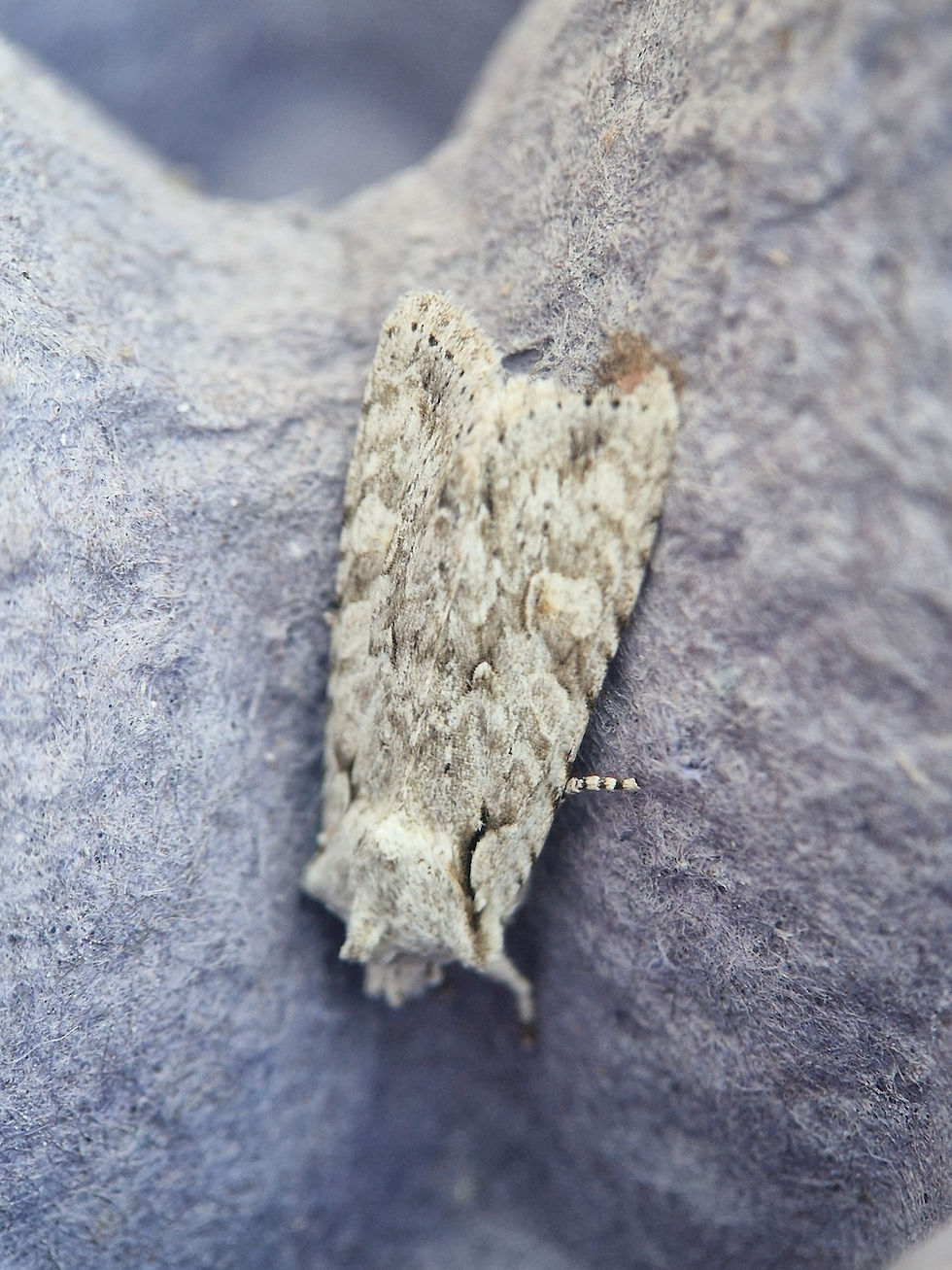
- the different between moths and butterflies is mostly that moths’ antennae are straight or feathered, whereas butterflies have bobbles on the tips. Also, when resting, a butterfly will holds its wings upright, but a moth will either make a tent around its body or hold them flat against the surface it is resting on
- moths can make ultrasonic clicks that temporarily prevent a bat from being able to locate them
- some species can spent years at the caterpillar stage, and as adults have a reduced mouth part, so these ones hardly eat as adults
- UK moths have declined by a third since the late 1960s, and many species have disappeared altogether
- having a range of plants in the garden can help moths, including ones that have early or late nectar, even ivy
- sometimes having an untidy corner can help too, or not clearing up everything in early spring - or letting an area of grass grow long
- light pollution can distract moths - we can help by angling lights down, switching them off when not in use, and use warm-toned bulbs rather than white or blue
Follow this link to 'Wild about Gardens' for more information: https://www.wildaboutgardens.org.uk




Comments